


Tarangire National Park
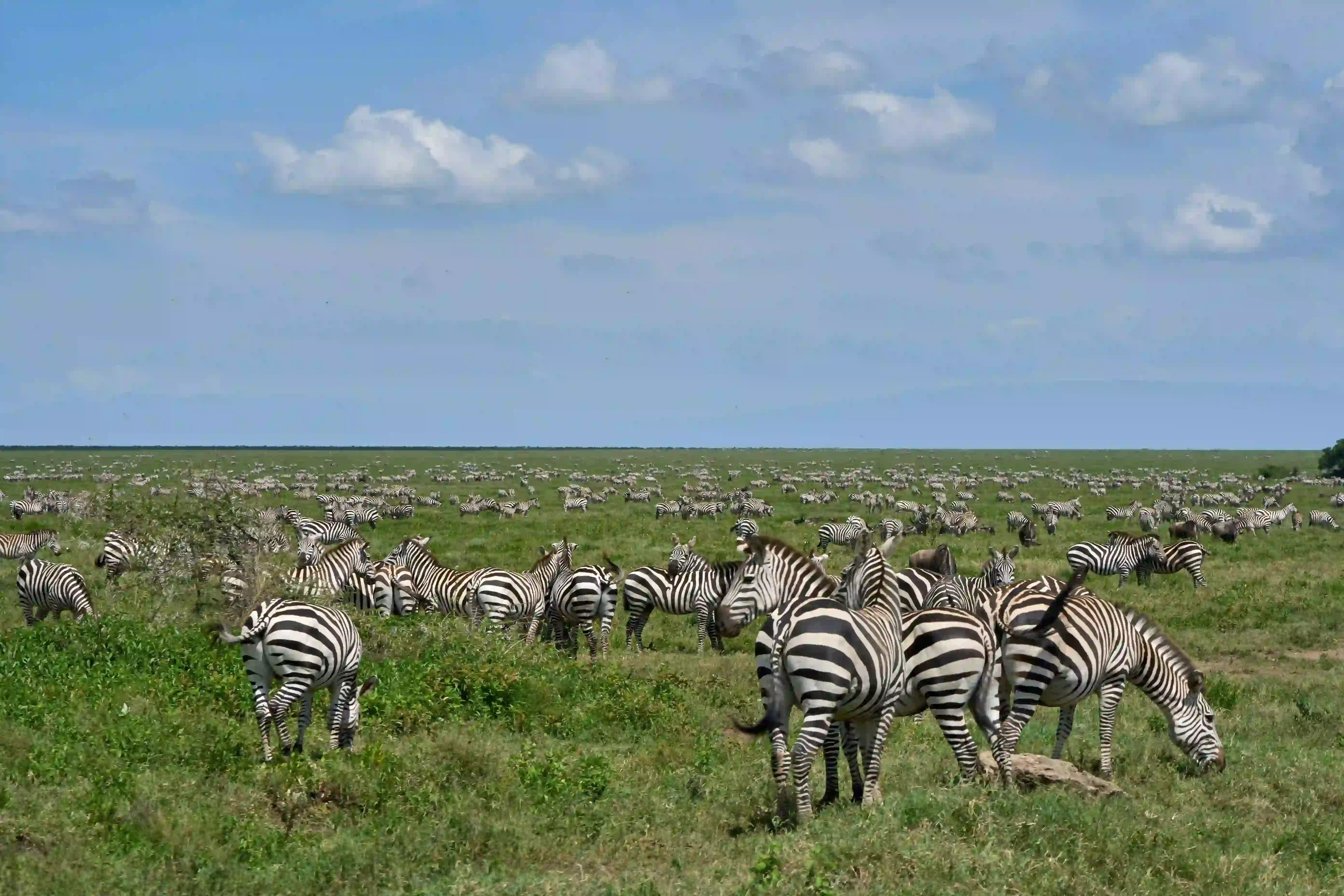
Tarangire National Park was established in 1970 and covers approximately 2,850 square kilometers, forming a vital part of Tanzania’s famous Northern Safari Circuit. The park is named after the Tarangire River, which serves as a lifeline for wildlife, especially during the dry season when animals migrate from surrounding areas in search of water.
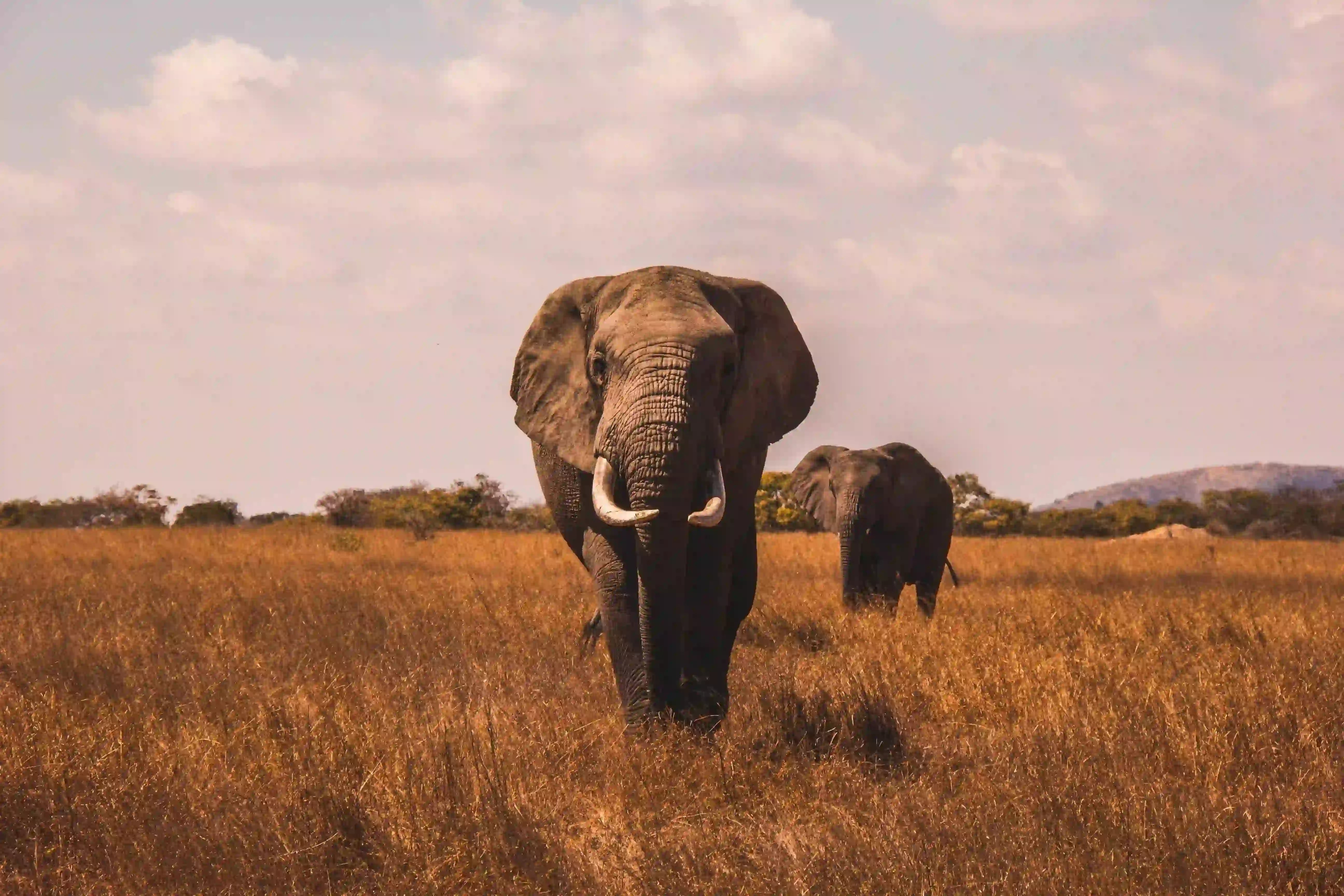
Tarangire National Park is renowned for its exceptionally large elephant herds, ancient baobab trees, and diverse landscapes that range from open savannahs to riverine woodlands and seasonal swamps. During the dry months, the park hosts one of the highest concentrations of wildlife in Tanzania, making it an outstanding destination for game viewing.
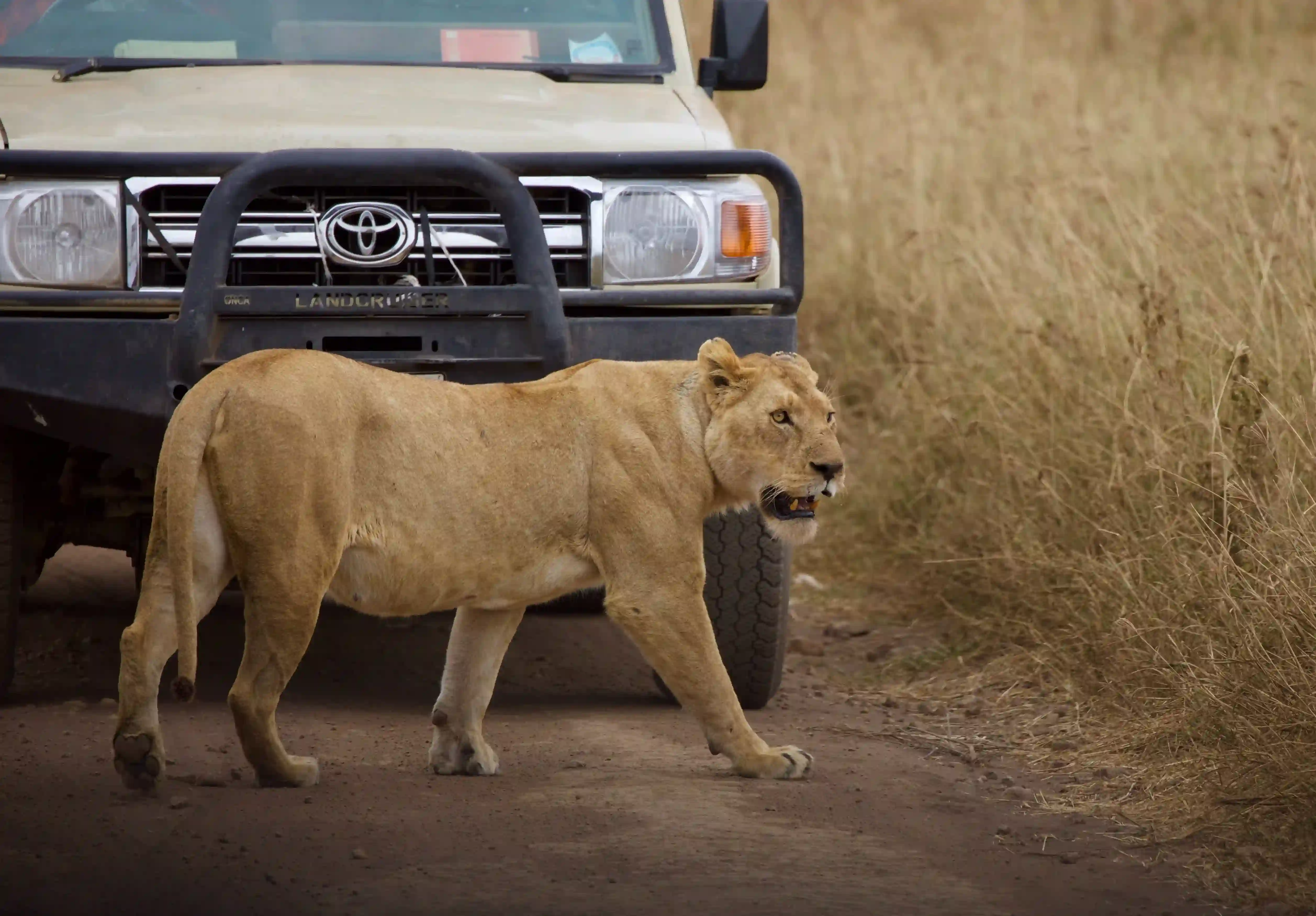
The park supports an impressive variety of animals including elephants, lions, leopards, cheetahs, giraffes, buffaloes, zebras, wildebeest, and rare species such as fringe-eared oryx and gerenuk. Tarangire is also a bird lover’s paradise, boasting over 550 recorded bird species, making it one of the richest birding destinations in East Africa.
Tarangire’s dramatic scenery, dotted with towering baobab trees and golden grasslands, creates a uniquely peaceful safari atmosphere. The climate is generally warm, with cool mornings and evenings that enhance the safari experience.
If you appreciate wild, less-crowded parks that offer authentic African wilderness encounters, Tarangire National Park is an excellent choice. Here, nature sets the rhythm, and visitors come to observe and connect rather than dominate the landscape.
The seasonal movements of wildlife into Tarangire during the dry season create remarkable safari moments, with large herds gathering along the riverbanks. Despite its vastness, the park offers intimate wildlife encounters and stunning photographic opportunities.
Exploring Tarangire on the ground reveals its true scale and diversity. Many travelers underestimate this park, but those who spend time here quickly realize its ecological importance and raw beauty. The experience varies significantly with the seasons, offering different highlights throughout the year.
Wildlife
Tarangire National Park is particularly famous for its elephants, with herds often numbering in the hundreds. Other commonly seen wildlife includes lions, leopards, cheetahs, giraffes, buffaloes, zebras, wildebeest, warthogs, and a wide variety of antelope species. The park also supports a rich population of birds, reptiles, and smaller mammals.Activities
Accommodation
Accommodation options in and around Tarangire National Park include:When to go
Tarangire National Park is accessible year-round. The dry season from June to October offers the best wildlife concentrations, while the green season from November to May provides lush landscapes and excellent birding opportunities.Getting there
Air. Scheduled and charter flights operate to nearby airstrips, connecting Tarangire with Arusha and other major parks in northern Tanzania.Road. Tarangire National Park is easily accessible by road from Arusha, approximately a two-hour drive via well-established routes.