


Best Time to Climb Mount Kilimanjaro
Mount Kilimanjaro can be climbed throughout the year, but weather conditions vary significantly depending on the season. Choosing the best time to climb Mount Kilimanjaro plays a major role in comfort, safety, visibility, and overall summit success. While the mountain does not require technical mountaineering skills, selecting the right season greatly improves the climbing experience.
This guide explains the best months, weather patterns, and climbing seasons to help you plan a successful and memorable Kilimanjaro trek.
Best Time to Climb Kilimanjaro – Key Facts
The best months to climb Mount Kilimanjaro are January to March and June to October. These periods offer drier weather, clearer views, and higher summit success rates. August and September are considered peak months due to stable conditions, although trails are busier.
Kilimanjaro Climbing Guide: Month-by-Month Breakdown
- January – March: Warm daytime temperatures, low rainfall, and good visibility. Ideal for climbers seeking favorable conditions with fewer crowds.
- April – May: Long rainy season with heavy rainfall. Trails become muddy and visibility is poor. This period is generally not recommended.
- June – August: Dry season with excellent trekking conditions. Nights are cold at higher altitudes, but summit success rates are high.
- September – October: Stable weather and clear skies. One of the best periods to climb Kilimanjaro, though visitor numbers remain high.
- November – December: Short rainy season with fewer climbers. Suitable for experienced trekkers looking for quieter routes.
Kilimanjaro Climbing Seasons Explained
Dry Season (June to October)
This is considered the best season to climb Mount Kilimanjaro. Weather conditions are stable with minimal rainfall and excellent visibility. Summit success rates are highest during this period, though prices and trail traffic are also higher.
Wet Season (Mid-March to May)
The long rainy season brings heavy rainfall, muddy trails, and reduced visibility. Climbing is more challenging and generally recommended only on the Rongai Route, which receives less rainfall.
Warm Season (January to Mid-March)
Daytime temperatures are warm and rainfall is low. Trails are less crowded than during peak months, making this an excellent time for climbers seeking balanced conditions.
Mount Kilimanjaro Weather Guide
Weather on Mount Kilimanjaro varies by altitude and season. Moist winds from the Indian Ocean rise and cool, creating rain and snow at higher elevations. Temperatures and humidity change significantly across different zones of the mountain.
- January – March: 26–27°C (79–81°F)
- April – May: 23–25°C (73–75°F)
- June – August: 21–22°C (70–72°F)
- September – October: 23–25°C (73–77°F)
- November – December: 25–26°C (77–79°F)
Kilimanjaro Temperature by Climatic Zones
- Cultivated Zone (800–1,800m): Warm and humid, 25–30°C
- Rainforest Zone (1,800–2,900m): Humid with rainfall, 12–15°C
- Heath & Moorland Zone (3,000–4,200m): Semi-arid, 5–10°C
- Alpine Desert Zone (4,200–5,000m): Cold and dry, temperatures drop below freezing at night
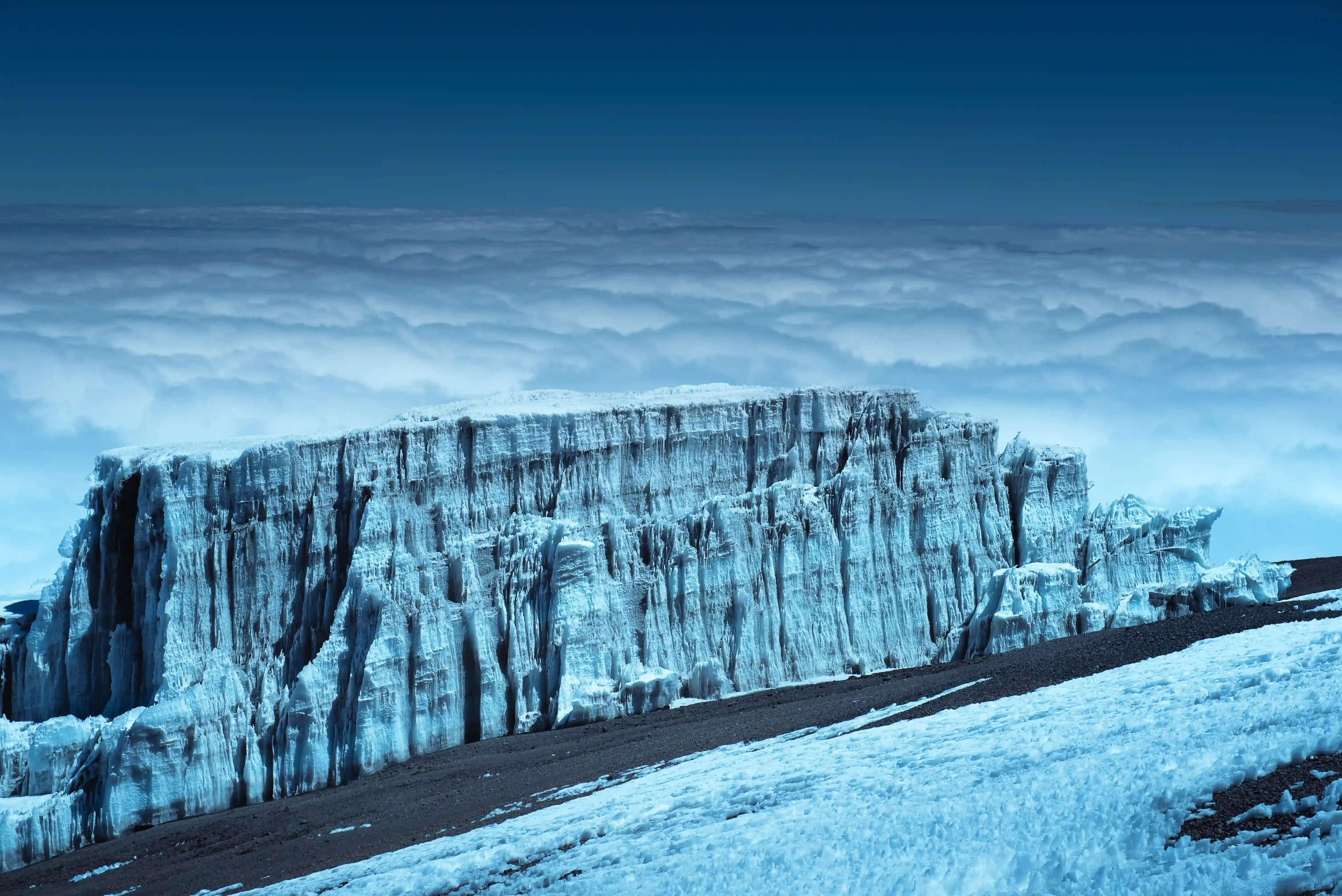
- Summit Zone (5,000–5,895m): Extremely cold and windy, around -6°C
Can You Climb Mount Kilimanjaro All Year Round?
Yes, Mount Kilimanjaro can be climbed in any season of the year. Rainfall mainly affects the lower slopes, while higher altitudes remain relatively dry. However, hiking through the rainforest zone during April and May can be extremely difficult.
For rainy season climbs, the Rongai Route is recommended as it approaches the mountain from the north and remains drier year-round.
Full Moon Climbs on Mount Kilimanjaro
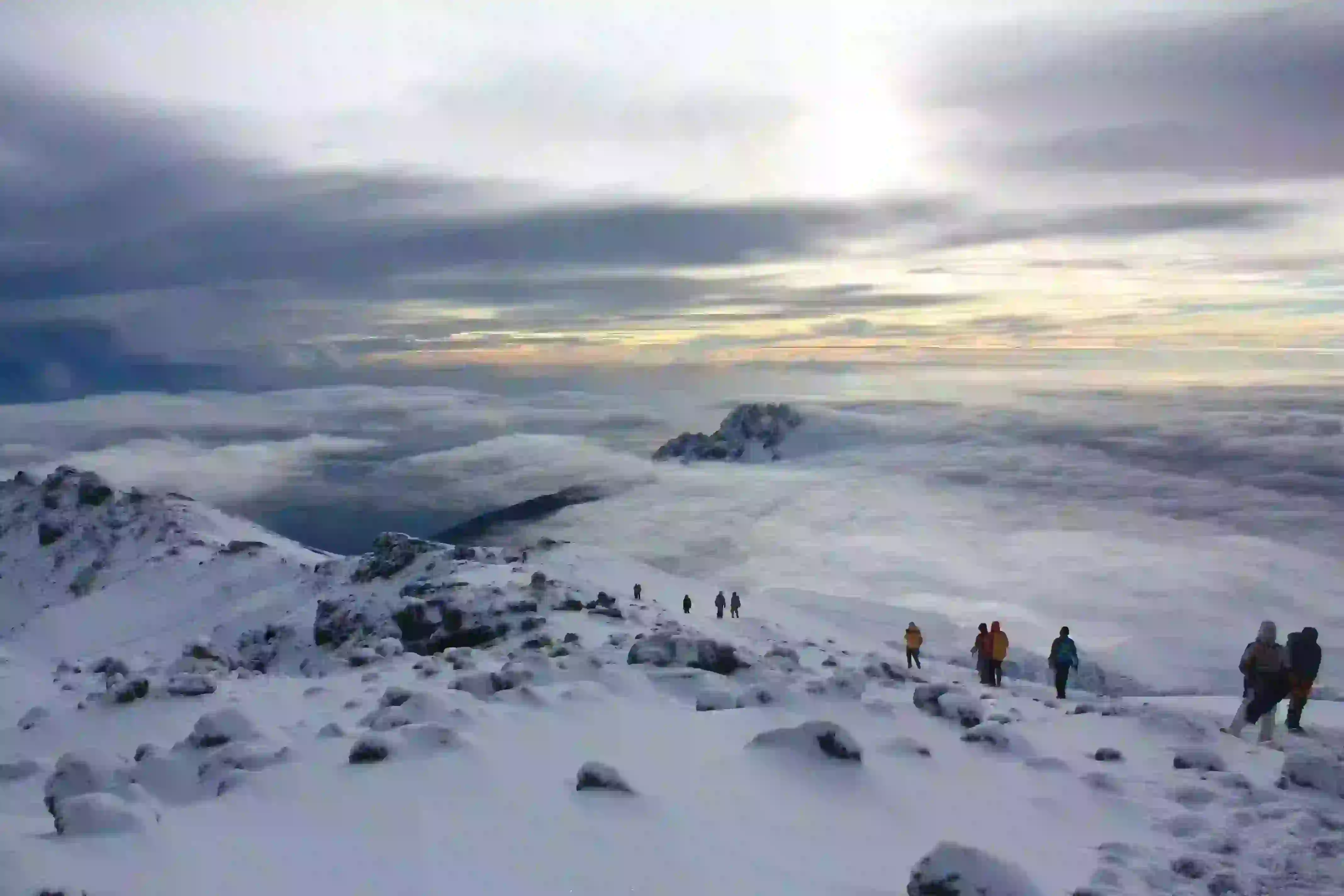
Climbing Kilimanjaro during a full moon offers improved visibility and a unique summit experience. Reaching Uhuru Peak under moonlight provides spectacular views and reduces reliance on headlamps.
Full moon dates vary each year. Updated full moon climbing dates are provided upon booking.
Frequently Asked Questions
Is there a best month to climb Mount Kilimanjaro?
August and September are widely considered the best months due to dry weather and high summit success rates.
What is the worst time to climb Kilimanjaro?
April and May are the least favorable months because of heavy rainfall and poor trail conditions.
Which route is best during the rainy season?
The Rongai Route is the best option due to lower rainfall.
Final Thoughts
As a local Kilimanjaro operator with extensive experience guiding climbers across all seasons, we recommend choosing your climbing dates and route carefully to maximize safety, comfort, and summit success.